# 23
Healey Blue and White
  
 Ken Breslauer's book - `Sebring`

 lists the cars as:

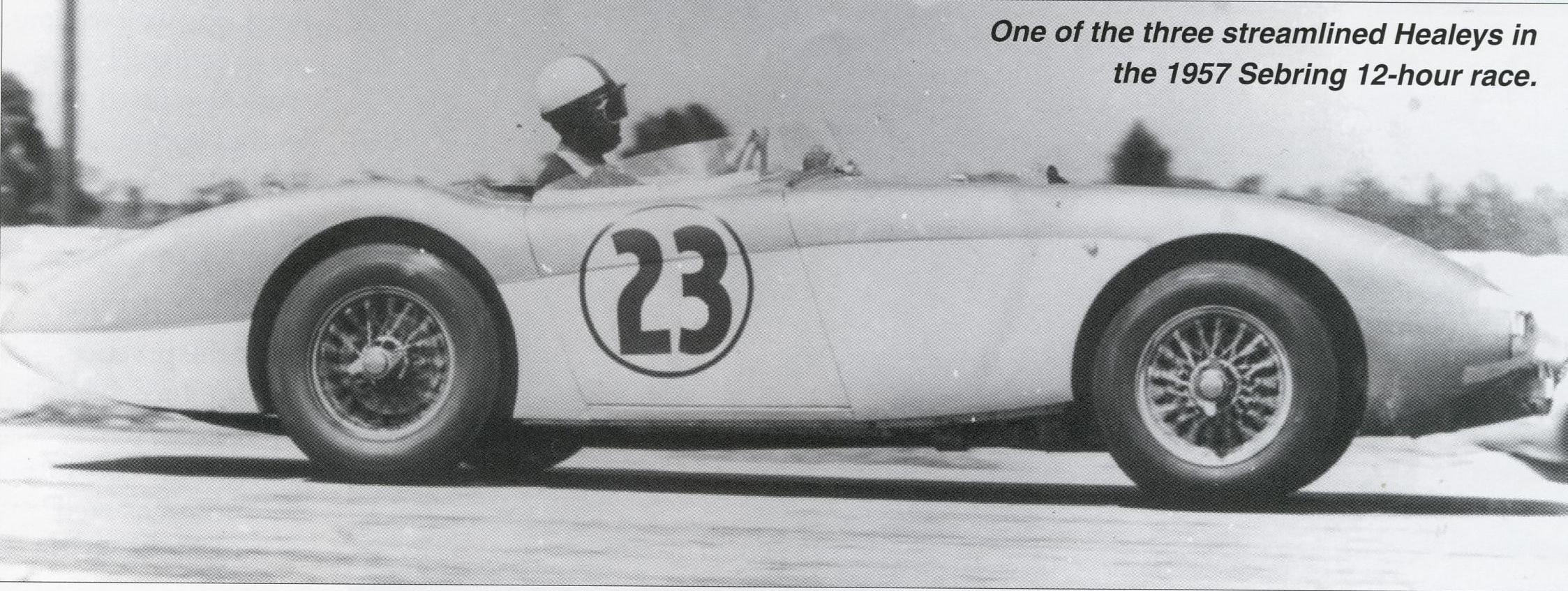
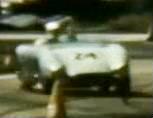
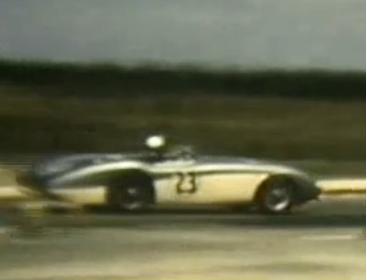
#23 Austin Healey 100/6 2680cc
 
Phil Stiles/John Bentley 

#24 Austin Healey 100/6 2680cc
 
Roy Jackson-Moore/E Forbes-Robinson

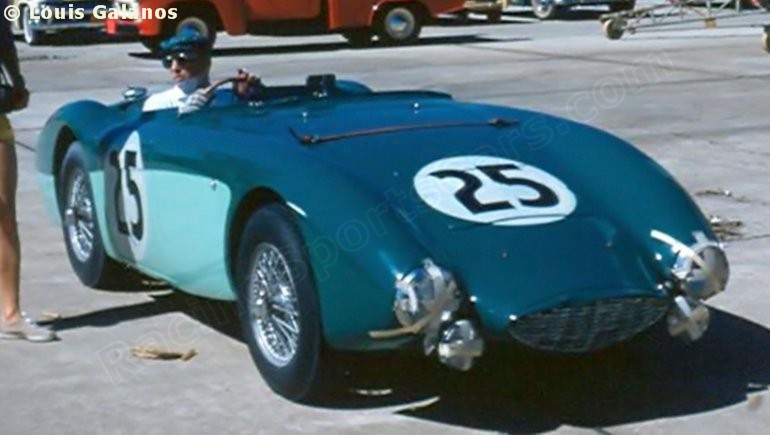
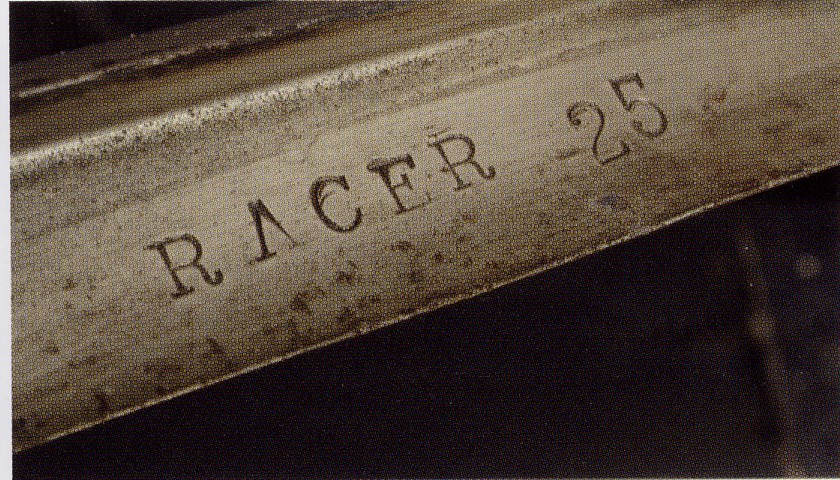
#25 Austin Healey Special 2680cc
 
Gill Geitner/Ray Cuomo
 
Far from being the poor relation of the Healey family, the 100-Six has the most varied and interesting history of any single model type. The Streamliners confirm this. They must be the most exotic of all Austin Healeys, and the rarest.....as it appears that none now exist!

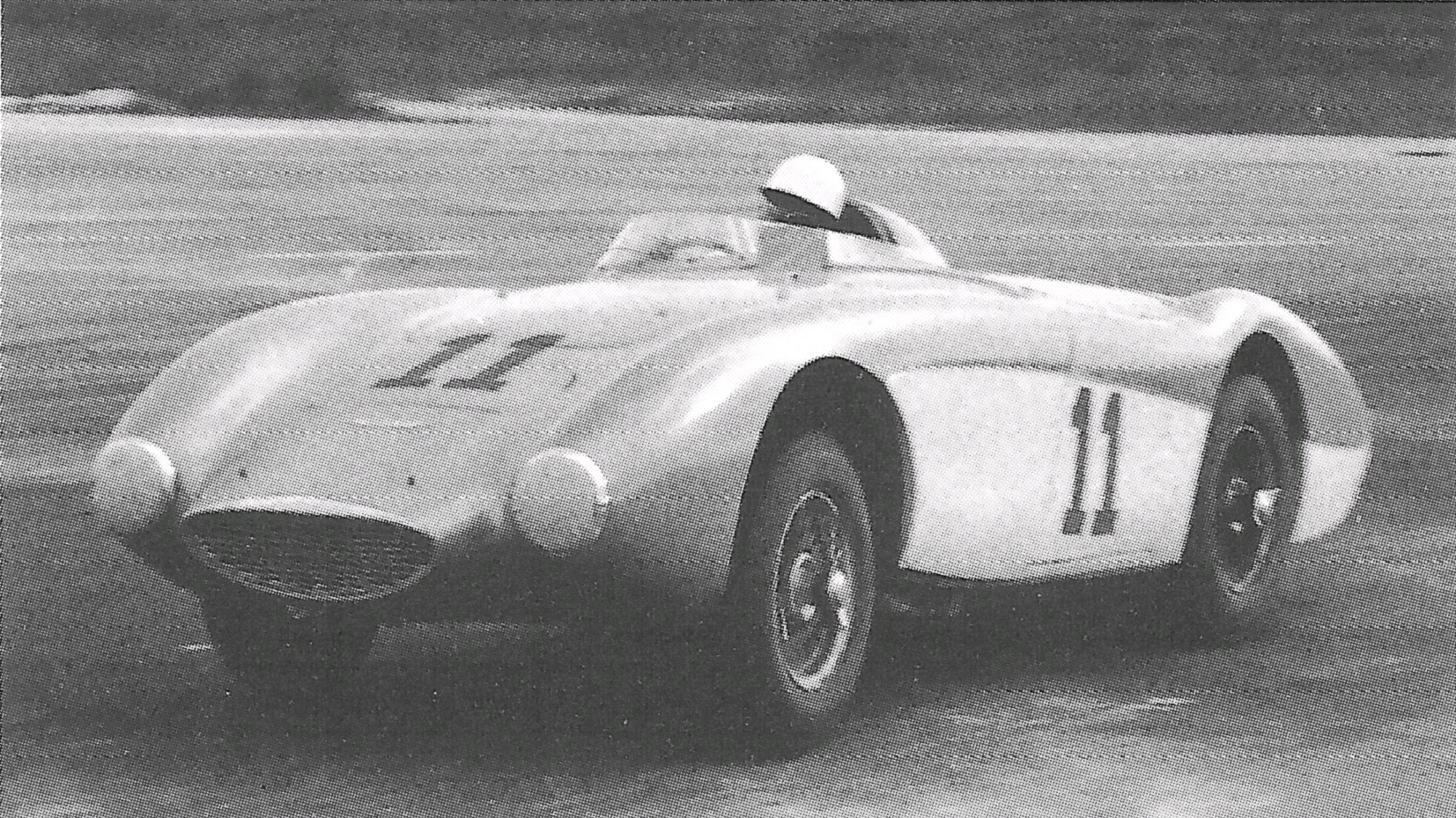
Although the 200mph Record car was streamlined I am using the desription `Streamliners` to describe the 1956 Endurance car and the three other similarly bodied cars that ran at Sebring in 1957
    
 
The Streamliners
______________________________________________________
The cars were a painted in a variety of colours


from many sources including

The Story of the Big Healeys
Geoff Healey

The Healey Book
Bill Emerson

Sebring
Ken Breslauer

Healey, The Hansome Brute

Austin Healey 100 & 3000

Graham Robson

The Works Big Healeys
Peter Browning

Works Wonders
Marcus Chambers

www.
racingsportscars.com
 
 
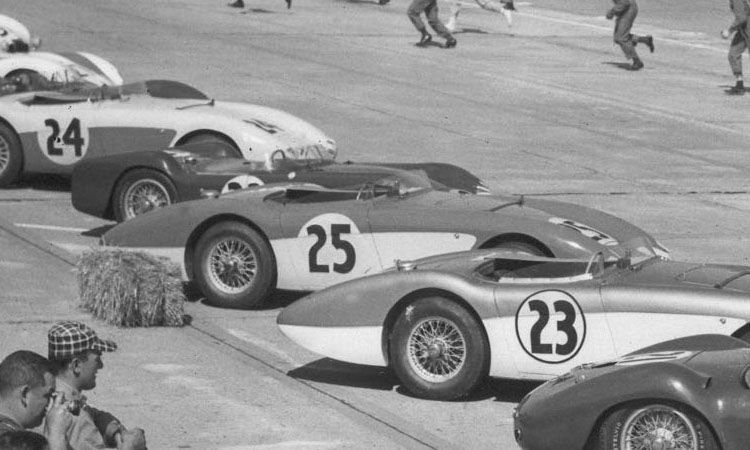
The three 100-Six Streamliners on the grid at the 1957Sebring12  hour race

source
www.
racingsportscars.
com
Ray Cuomo
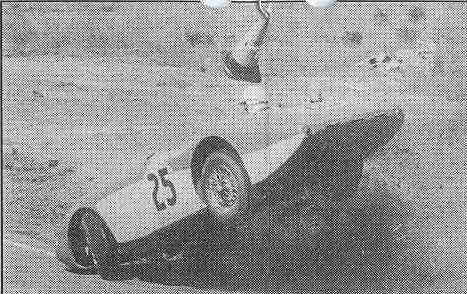
Car # 25 landing after striking a kerb due to being forced off line.

The car made it back to the pits where temporary repairs were carried out. Cuomo finished the race in 26th place


According to Breslauer's book Car # 25 was listed as a Special, but what was special about it?

One suggestion is that it is the car that was fitted with a
Ferrari 2 1/2 litre Grand Prix engine. The DHMC purchased a Ferrari GP car and fitted the engine and transaxle gearbox to a 100S chassis. Geoff Healey refers to this car in his book "The Specials", and it is referred to as X224

He also mentions that one of the long nosed 100-Six Sebring cars "was cut about and the Ferrari de Dion rear axle cum gearbox was fitted." It is not exactly clear, but that seems to imply it was fitted after Sebring which is consistant with Joe Jarrick`s opinion.
According to Joe the inaugural outing for the Ferrari engined car was the 1957 Nassau Speed Week, which would mean it did not run with this engine at Sebring in 1957. The car was driven by Peter Collins, a works Ferrari Grand Prix driver at the time. The donor car was purchased from the Marquis de Portago who was tragically killed the same year, at the 1957 Mille Miglia. The car had a 2.5 litre 4 cylinder engine which was tuned to run on methanol. This had to be modified to run on petrol for the Nassau event and as a result there was a drop in horsepower from 240 to 210bhp.  The car was a bit of a disappoitment, finishing 10th overall and suffering from very high oil consumption.

During early 1958 the Ferrari engine, transaxle and rear end were removed from the car and X224 was rebuilt using a six cylinder Austin engine and transmission. The car had about 175 mph but was better sorted than with the Ferrari engine. Salvadori finished second in one of the main races but retired in the second due to clutch problems.
Research on the Streamliners contributed by

Patton Dickson
Peter Dzwig
Philippe Dubois
Ken Freese
Derek Job
Patrick Quinn
Keith Turk
Rick Wilkins
  
home
Sebring 1957


There are conflicting descriptions of these cars and it is still unclear if they are 100-Sixs or special bodied 100s as was the 1956 endurance car. They are described by one source,
(www.racingsportcars.com) as 100Ss and  that car# 23 is AHS 3804.This is interesting as that car belonged to Fred Hunter and I`m not sure there is any evidence that it was ever bodied in this fashion. But who knows?


# 25
Pacific Green / Florida Green

Note the damage to the car caused by the above accident
  
Breslauer's information is partially incorrect as Marcus Chambers states the cars were 2639cc which is logical as that was the standard capacity. He also mentions the cars had  nitrided crankshafts and were good for 150 bhp at 5000 rpm.

100-Six
next
 
 67yu
 
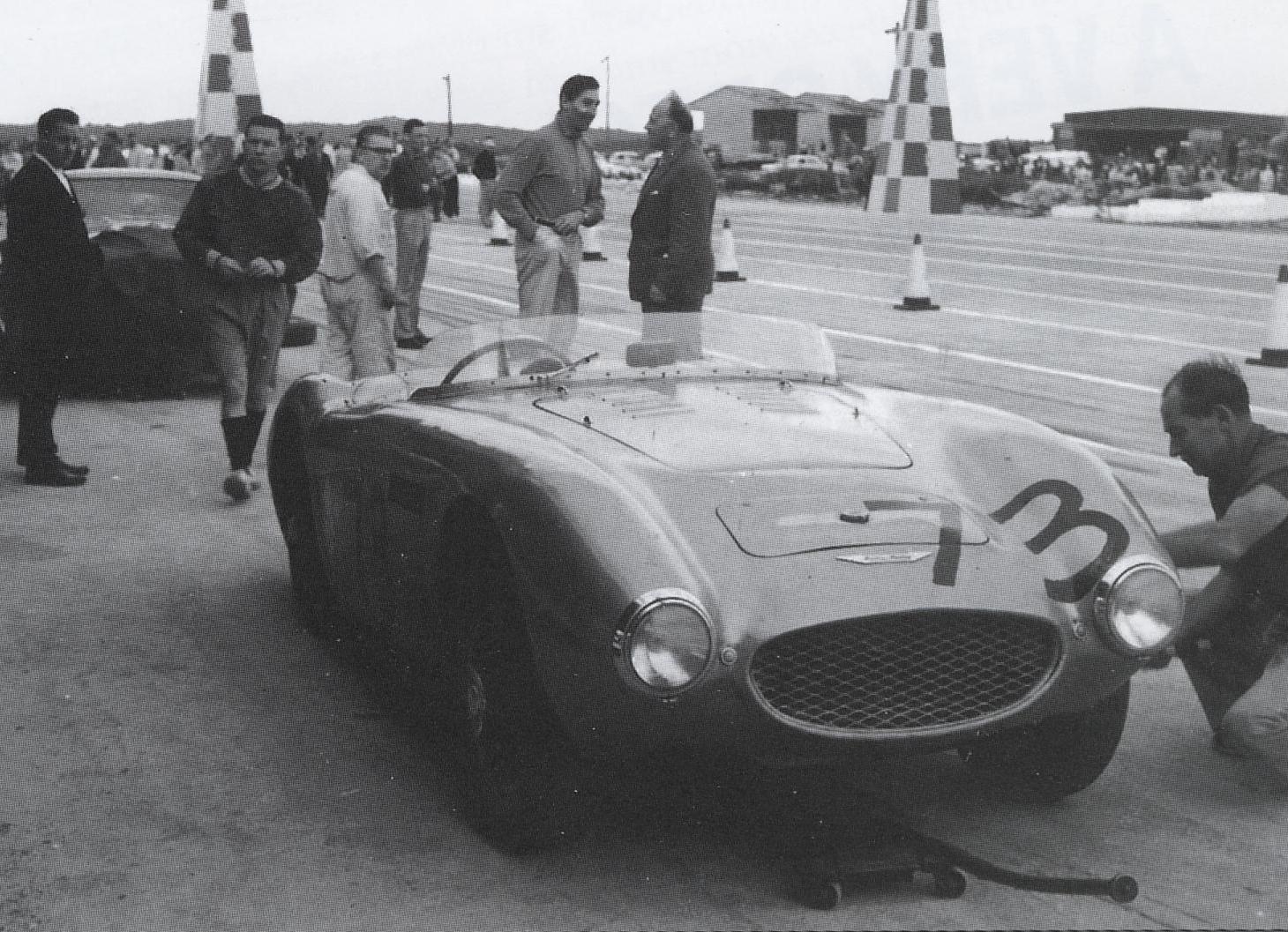
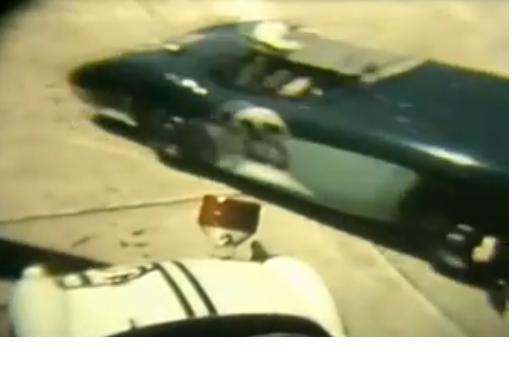
The photo on the left shows the X224 Streamliner at the Nassau  Speedweek in  1958. The car was driven by Roy Salvadori who is pictured standing behind the car with his hand in his pocket. Roger Menadue is attending to the front wheel.
  
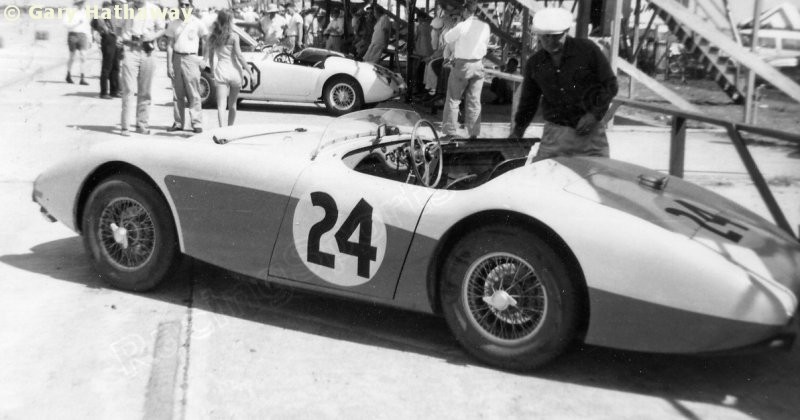
# 24
White / Lobelia Blue

This is currently my best guess. Existing colour photos  are very poor and Im basing my guess on the shades shown in the black and white photo on the grid and the photo on the left which shows the car as having dark blueish side panels
1956 Endurance Record car

- 6-port head
- triple Webers
- 10.2:1 comp
- 156 bhp
  
  
The above picture shows Stirling Moss driving the 1956 Endurance car at Nassau Speed Week in 1956 (nice to know Stirling Moss drove a 100-Six!). It appears that he may have been just testing the car or driving in a minor event  as he is not listed as driving the Healey in either the Governor`s Race or the Nassau Trophy, the latter of which he won driving a Maserati 300S.

The above car was driven by Carroll Shelby, Roy Jackson-Moore and Donald Healey at Bonneville in 1956 when the car  set many International Class D endurance records. (The car was  Healey Blue and White in colour) The record setting was used to promote the new 100-Six introduced later in that same year.

This streamlined car was the same car
(SPL 227B) as that used in the record setting in 1953 and 1954 and is based on a 100 chassis. However the 1956 version had a six cylinder C series engine of the type later introduced in the production 100-Six although with appropriate modifications, which included triple Weber 40 DCOE's and a 10.2:1 compression ratio. The other obvious difference was the specially designed streamlined aluminium body made up by Jensen under the guidance of Dr.John Wevering.

Geoff Healey mentioned that Jensen  fabricated three additional aluminium alloy bodies for racing purposes and it would appear that these were installed on the cars shown below on the grid at the 1957 Sebring 12 hours. These are the real 100-Six Streamliners.
It is surprising  there is so little definitive information, and very few photographs of the cars considering they were relatively `exotic` and very rare. More research is needed and in the meantime we are left to speculate about their exact specifications
 Only one of the cars finished the race, the other two retired with cracked connecting rods. This was established when the engines were stripped by Eddie Maher back at the factory in the UK. The result of these findings was redesigned connecting rods for production cars, which never gave any further trouble even  in the uprated engines developed for racing and rallying.